Founder Story
Two cousins, one mountain.
Kaveh was two years old when his family left Iran. He grew up in the United States — in kitchens that smelled like saffron and basmati, at tables where his mother told stories about a country he could not remember but somehow still belonged to.
Farid stayed.
He grew up in the country Kaveh's family had left. Same recipes, same grandmother's voice, same stories — just on the other side of an ocean. They knew each other through phone calls and occasional summers, the way cousins separated by continents tend to.
This is a company built on what they shared anyway.
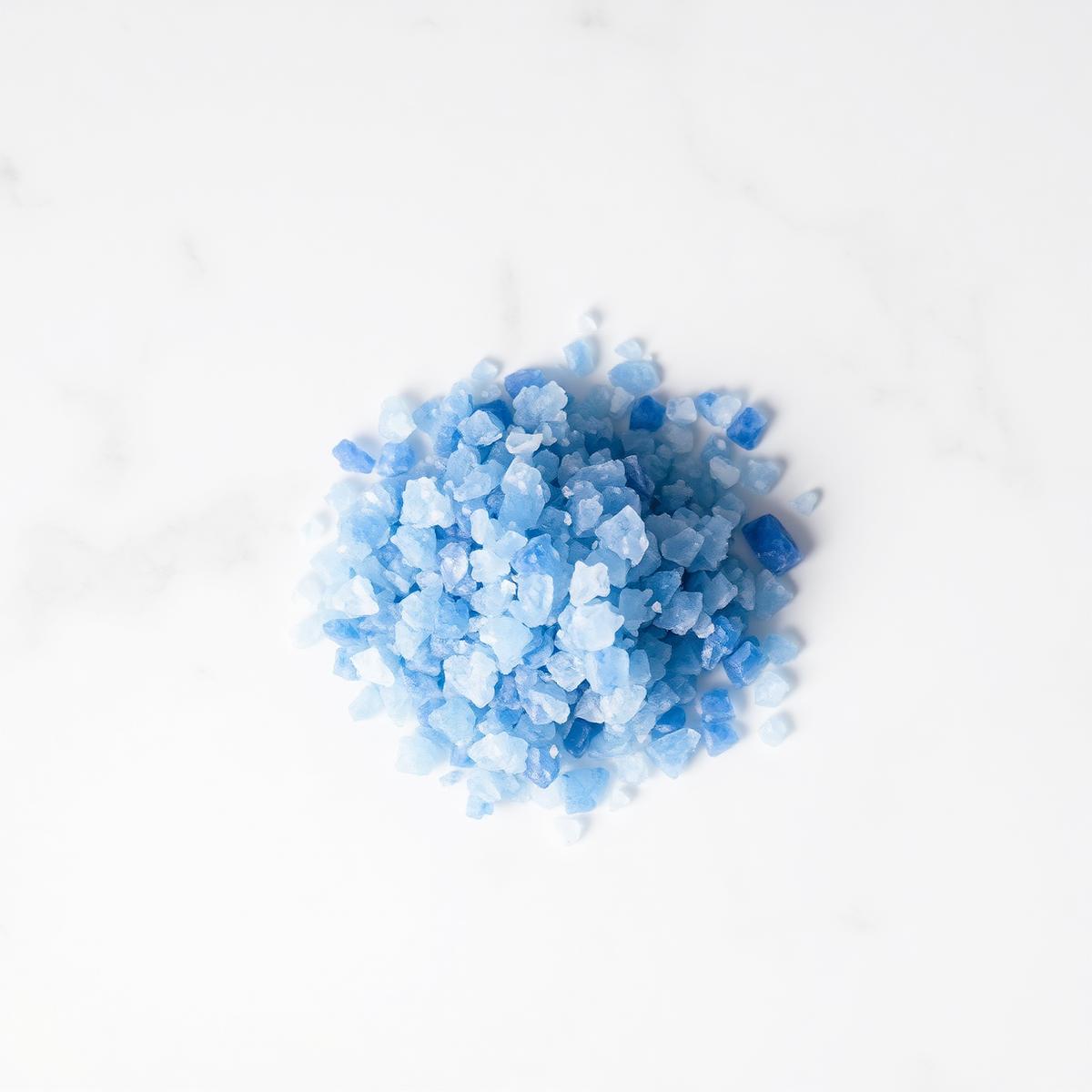
The salt
A few years ago, Farid sent Kaveh a small jar of something he'd been told about by a friend in Semnan — a blue salt, hand-mined from a mountain in northern Iran, used by serious cooks but almost unknown outside the country. He'd ground a few crystals over dinner and noticed something he didn't expect: the salt had a flavor that unfolded. It opened bright. It rounded. It finished mild.
He sent some to Kaveh in the US with a short note: Try this. Tell me what you think.
Kaveh tried it. He thought about it for a week. Then he called his cousin back.
What he had tasted was a salt unlike anything on American shelves — not pink, not flaky, not Mediterranean or Himalayan, but something older and stranger and unmistakably Persian. He could buy almost anything at his neighborhood grocery store. He couldn't buy this. That bothered him in a way he didn't expect.
The idea
Between them, they had what most importers don't: one cousin close to the source, one cousin who could explain it to a country that had never heard of it. Farid handles the work in Iran — the relationships with the mining families in Semnan, the quality of every shipment. Kaveh handles the work in the US — the importing, the bottling, and the customer who clicks order on a Tuesday night.
Every jar of Cyrus Blue passes through exactly two pairs of family hands — Farid's, then Kaveh's — before it reaches yours.
The name
We named the company after Cyrus the Great because of what he represented to the ancient world: a Persian leader remembered, even by people who had never met him, for refinement, for restraint, for moving rare and beautiful things carefully across the world. We liked the idea of a name that pointed back to that.
What this is, underneath
For Kaveh, this company is a way of staying connected to a country he left before he could remember it. For Farid, it's a way of putting Iranian craft on tables around the world. For both of them, it's a project they get to work on together — a phone call between Tehran and the US that turned into a jar that turned into a company.
What you taste was lifted from a mountain by hand, by families who have done it for generations, and sent to your kitchen by two cousins who think you should know about it.
That's the whole story.
— Kaveh & Farid, Cyrus Blue